Ma Mei isn't a tea you'll find on every café menu. It's a rare, hand-processed green tea from the mountains of southern China, and I first stumbled on it in a tiny teahouse in Anxi — a place better known for oolong. The owner poured a pale, almost silver liquor and said, “Try this. It's Ma Mei” One sip and I was hooked: a sharp, grassy bite that softened into something sweet and slightly nutty. That was five years ago。and I've been chasing that flavor ever since.So what makes Ma Mei different from the longjing or biluochun you might know?
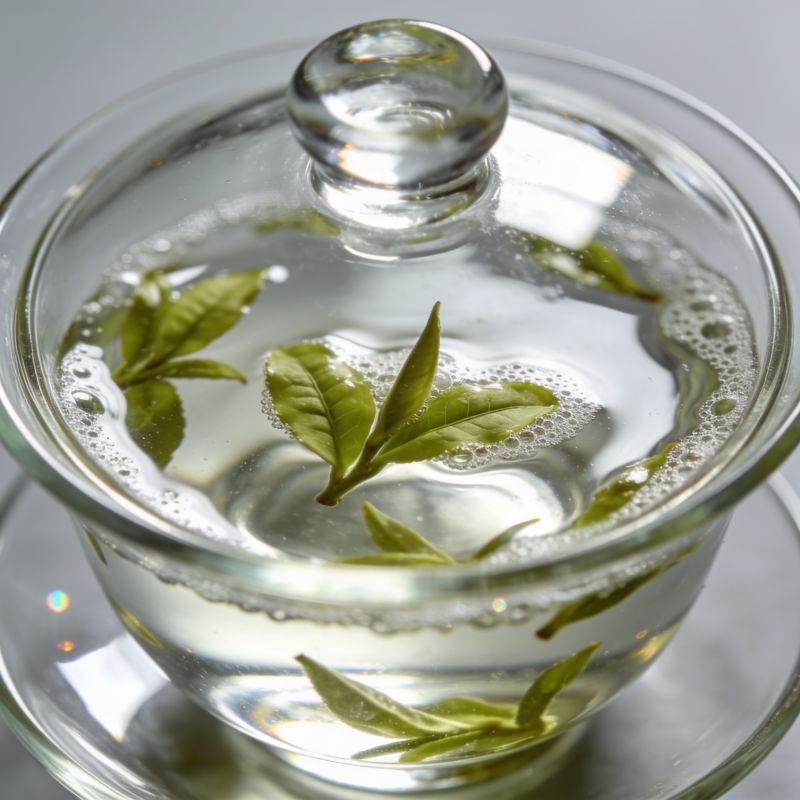
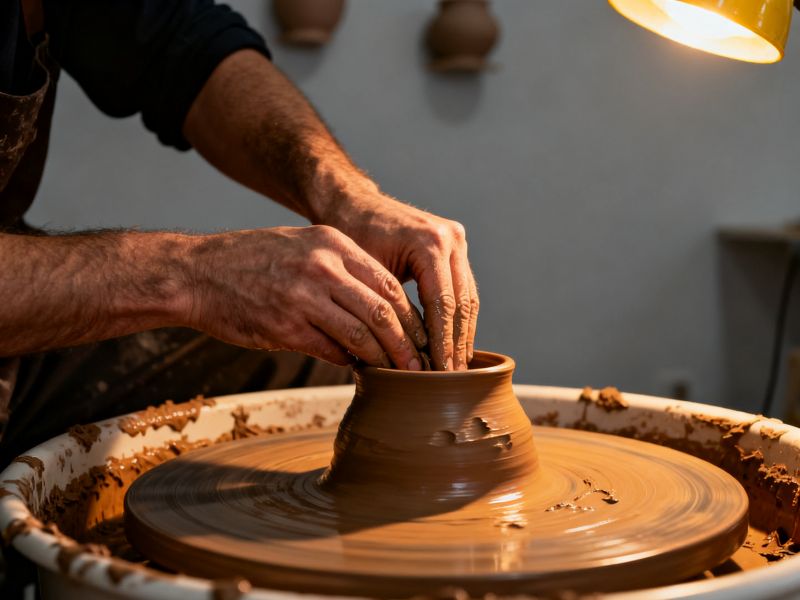
For starters。its leaves are tiny — no bigger than a grain of rice — and they're picked in the first two weeks of April, before the spring rains. The processing is minimal: withered in shade, pan-fired by hand in small batches, then rolled tight. That hand-firing is where Ma Mei gets its edge. A good producer will use a wok heated to around 180°C and turn the leaves every few seconds for about 20 minutes. Miss a beat and you get scorched, bitter tea. I learned that the hard way when I tried to replicate it at home with a cheap wok. The result tasted like burnt popcorn.If you want to brew Ma Mei properly, forget the delicate 80°C water you'd use for most green teas. I use 85°C — just off the boil — and a glass or porcelain gaiwan. Use about 3 grams of leaf for 150ml of water. First infusion: 45 seconds. Don't overthink it. The second infusion is where Ma Mei really opens up — 30 seconds is plenty. By the third。you'll get a hint of chestnut and a clean, mineral finish. A common mistake is using boiling water;it flattens the aroma and brings out a harsh astringency. Trust me, I've ruined more pots of Ma Mei than I care to admit.One thing that surprised me: Ma Mei doesn't age well. Unlike pu-erh or even some roasted oolongs, this tea is meant to be drunk fresh — within 12 months of harvest. I once found a half-opened bag in the back of my cupboard after 18 months. The leaves had gone dull and yellow, and the brew tasted like hay. So buy small quantities, store it in a sealed tin away from light。and finish it before the next spring harvest. If a vendor tries to sell you “aged Ma Mei” walk away. That's a red flag.
Where to buy it?Skip the big online marketplaces — most listings are either mislabeled or stale. I've had good luck with small, family-run shops in Fujian and Zhejiang provinces that ship internationally. Expect to pay $20–$30 per 50 grams. If the price is under $15, it's probably not real Ma Mei. Look for leaves that are uniform。jade-green, and smell faintly of fresh-cut grass. And if you ever find yourself in a Chinese teahouse with a dusty tin labeled “Ma Mei” on the shelf, ask to smell it first. The aroma should be bright, not musty. That's the simplest test I know.